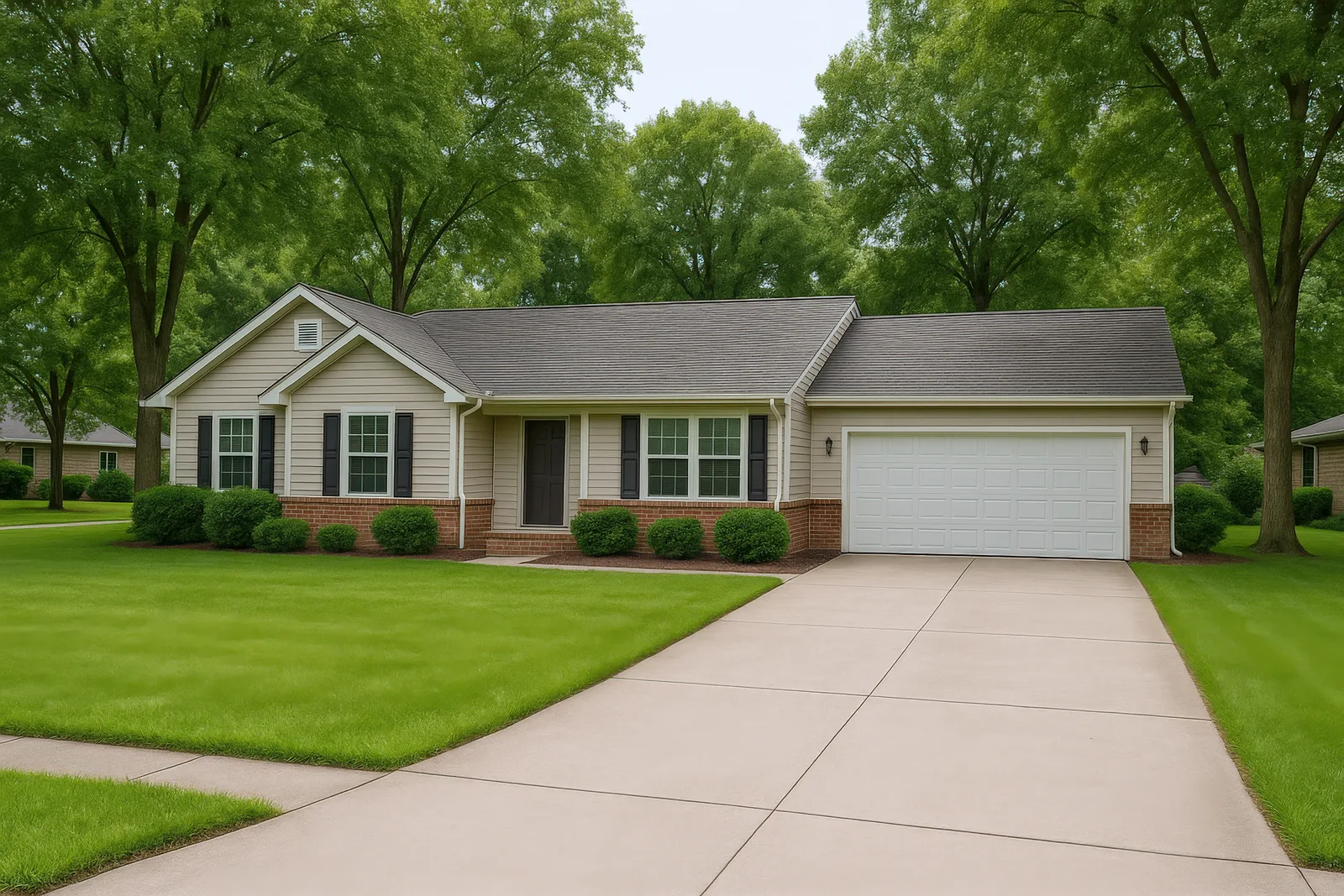
Storm damage inspections
Connect displaced shingles, impact signs and leak paths to the physical repair. Keep dated observations and the roof scope distinct from an insurer’s coverage decision.
A ceiling stain and a roof nearing replacement call for different work. Greenwood Roofing Co helps you understand the condition, the practical options and the next step for your property.
Call about your roof (816) 744-1346
A roof has to do more than look sound from the driveway. Shingles shed the rain, flashing protects the joints, and the layers underneath carry water back toward the eaves. When one part fails, the mark inside the house can appear well away from the opening.
We start with a free inspection to find what the roof needs. A roofer can walk a safely accessible roof, check the covering and its connections, and explain whether the work is a contained repair or a larger replacement. Tell us what you noticed and where the property is; you do not need a diagnosis before calling.
Request a free inspection
The useful dividing line is the condition around the damage. A small opening in an otherwise serviceable roof is a different problem from shingles that break as adjoining tabs are lifted or leaks spread across several roof planes.
A split pipe boot, displaced shingle or exposed roof-to-wall joint can call for a focused repair. The roofer restores the affected layers and connections, using compatible material and sound surrounding shingles. Covering the surface with sealant alone leaves an underlying flashing or deck problem unresolved.
Replacement becomes the stronger option when deterioration is widespread, the covering cannot accept a dependable repair, or repeated work leaves several weak transitions. Removing the old covering opens the deck to inspection and lets the new water-shedding layers connect as one system.
A storm, a new stain or granules at a downspout does not establish how much roof needs replacing. Inspection connects the visible signs to the actual covering, flashing and drainage conditions before that decision.
Architectural asphalt shingles offer a familiar dimensional appearance and straightforward localized repair when adjoining shingles remain workable. Impact-rated shingles add a tested product characteristic, but the rating does not make an installed roof immune to hail. Metal sheds water through panel laps, seams and purpose-made flashing; its movement and fastening details need to be designed together.
The covering is only part of the job. Sound decking supports the fasteners, underlayment provides a second water-shedding layer, and flashing carries water past walls, chimneys and penetrations. Intake and exhaust ventilation work together through the attic. Replacing shingles while leaving a failed connection underneath can leave the leak in place.
Compare shingle options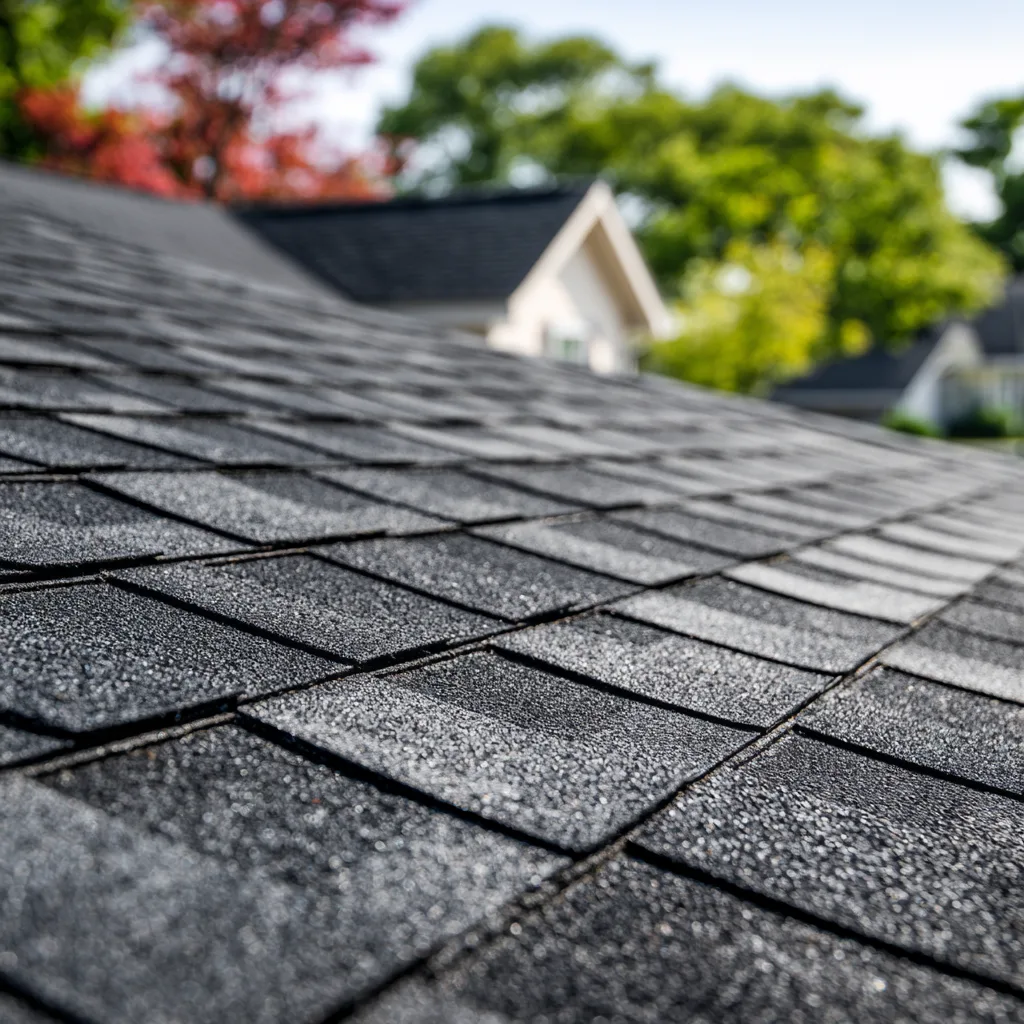
For early planning, the Kansas City regional example is $4 to $6 per measured roof square foot for architectural asphalt shingles on a 1,500 to 3,500 square foot roof with one existing layer. It is an illustrative replacement range, with the actual job priced after inspection. Roof surface area includes the slopes and overhangs; it is not the same as the home’s interior floor area.
Additional old layers increase removal and disposal. Soft, delaminated or damaged decking discovered after tear-off must be repaired so the new covering has a reliable fastening surface. Those conditions change the work rather than simply changing the shingle price.
Valleys, sidewalls, chimneys and skylights add intersections that have to drain correctly. Rebuilding these details, steep slopes and many small roof planes takes different labor from an open, accessible roof.
Material loading, debris handling and protection around the property affect how work is carried out. The scope also needs to address ventilation, edge metal and the connections between old and new work. The cost tool gives a starting range for the stated asphalt example; inspection resolves those project conditions.
A wind event can lift shingles or expose a roof edge. A business roof can leak at a drain or equipment curb even when the open membrane looks intact. Each needs an inspection suited to that roof.
Connect displaced shingles, impact signs and leak paths to the physical repair. Keep dated observations and the roof scope distinct from an insurer’s coverage decision.
Evaluate seams, drains, parapets and rooftop equipment with the building’s use in mind. Compare repair, restoration and replacement based on the actual system and moisture condition.
See the regional asphalt planning range for a measured roof area, then understand what remains to be resolved at inspection.
Yes. A free inspection is a useful starting point when you are unsure whether the roof needs repair or replacement. The condition around a damaged area, the covering’s ability to accept repair and the underlying connections all affect the answer.
Water entering the building needs attention. Call and say that the roof is actively leaking, avoid wet electrical fixtures, and keep clear of a sagging ceiling. The physical steps to limit further water entry and the insurer’s coverage review are related but separate decisions.
Yes. Commercial roofing begins with the installed system, drainage and the building’s operating needs. Membrane repair, coating suitability and replacement require different findings, especially where moisture has entered the roof assembly.
Call (816) 744-1346 or request a free inspection. A new stain, missing shingles or a roof you are planning to replace is enough to start the conversation.